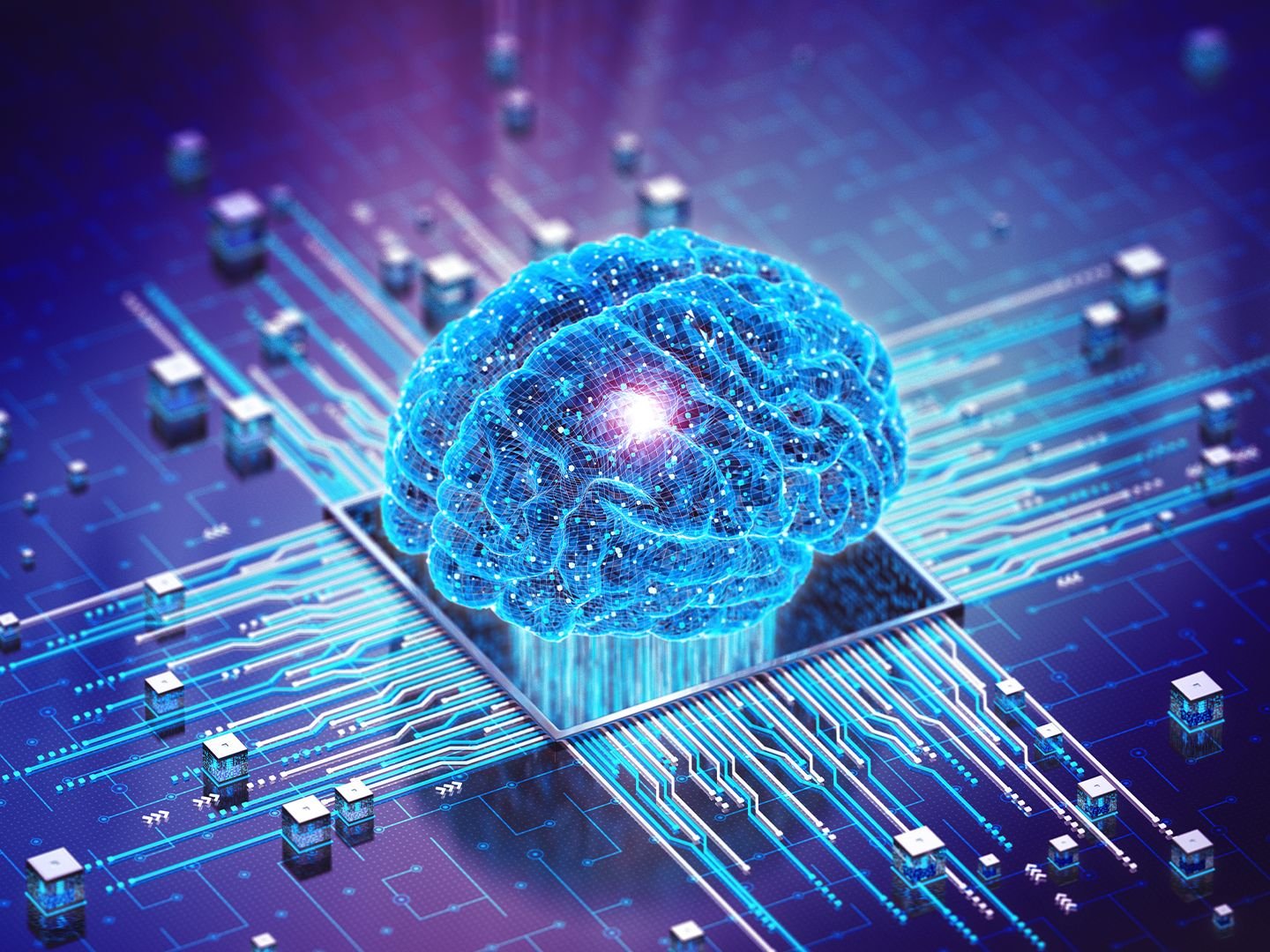
For years, the conversation surrounding Artificial Intelligence in the workplace was dominated by a single, anxiety-inducing question: “Will a robot take my job?” Pop culture and sensationalist headlines painted a picture of a dystopian future where human workers were entirely replaced by hyper-efficient algorithms.
However, as we navigate through 2026, the reality of the AI revolution in the workplace is far more nuanced, exciting, and complex. We are not experiencing a mass extinction of human labor. Instead, we are undergoing a massive, structural transformation of how we work, what we do, and where we find value. AI is undoubtedly reshaping the traditional employment landscape, but it is simultaneously acting as a powerful engine for new career paths and industries.
The Shift: Augmentation over Automation
To understand the future of work, we must differentiate between task automation and job replacement. AI excels at automating specific, repetitive, and data-heavy tasks. It is incredibly efficient at crunching numbers, summarizing massive documents, identifying patterns in datasets, and generating boilerplate code or text.
However, a “job” is rarely just a single task. Most professions require a complex web of duties that include critical thinking, emotional intelligence, physical dexterity, and complex problem-solving—areas where AI still struggles.
Therefore, the defining trend of the modern workplace is augmentation. AI is acting as a “copilot” for human workers. A financial analyst no longer spends hours pulling data into spreadsheets; the AI does that instantly, allowing the analyst to spend their time interpreting the data and advising clients. A doctor doesn’t spend half their day writing clinical notes; voice-to-text AI structures the notes automatically, allowing the doctor to spend more face-to-face time with the patient. AI is stripping away the drudgery of work, leaving the distinctly human elements behind.
Industries Undergoing Radical Transformation
While almost every sector is feeling the impact of generative AI and machine learning, a few industries are undergoing fundamental shifts in their operational DNA.
1. Software Development and IT
The tech industry is experiencing a meta-evolution. Generative AI models can now write, debug, and test code in multiple languages. Rather than eliminating software engineers, this has vastly accelerated development cycles. Developers are transitioning from being code-writers to being system architects and reviewers. They dictate the logic and structure to the AI, and then refine the output, allowing small teams to build massive, scalable applications in record time.
2. Marketing and Content Creation
The marketing world has been turned upside down by AI’s ability to generate copy, design graphics, and produce videos. The role of a digital marketer has shifted from pure creation to curation and strategy. Professionals in this space now use AI to generate dozens of campaign variations, A/B test them instantly, and analyze consumer sentiment in real-time. The premium skill is no longer just writing well; it is knowing how to direct the AI to produce on-brand, highly targeted content.
3. Customer Service and Support
First-line customer service has been largely handed over to intelligent, natural-language chatbots that can resolve standard queries, process returns, and troubleshoot basic issues 24/7. Human customer service representatives are now handling only the most complex, emotionally charged, or high-stakes escalations. Their roles have become more specialized, requiring higher levels of empathy, negotiation, and problem-solving skills.
The Emergence of New Career Paths
Every technological revolution destroys obsolete jobs, but it also creates entirely new categories of employment. The widespread adoption of AI has birthed several new, high-paying career paths that didn’t exist a decade ago.
1. Prompt Engineers
Generative AI models are incredibly powerful, but they require highly specific instructions to produce the desired output. Prompt engineering is the art and science of communicating with AI. These professionals understand the underlying architecture of language models and know exactly how to structure queries, provide context, and define constraints to coax the most accurate and useful results from the machine.
2. AI Ethicists and Compliance Officers
As AI systems make decisions that impact hiring, lending, healthcare, and law enforcement, the risk of algorithmic bias and discrimination is immense. AI Ethicists are now vital to enterprise organizations. Their job is to audit AI models for fairness, ensure that training data is representative, and navigate the complex, rapidly evolving global regulations regarding data privacy and AI usage.
3. AI System Maintainers and Data Curators
An AI model is only as good as the data it learns from, and models can degrade over time as real-world conditions change (a phenomenon known as “data drift”). Data Curators are responsible for sourcing, cleaning, and organizing the massive datasets required for training. AI System Maintainers continuously monitor deployed models, fine-tuning them and retraining them with fresh data to ensure they remain accurate and relevant.
The Premium on “Soft Skills”
As AI takes over the “hard,” technical, and analytical tasks, the economic value of uniquely human traits is skyrocketing. In the future of work, your ability to memorize facts or run basic calculations will be irrelevant.
The most sought-after skills in 2026 and beyond are the “soft skills”:
- Emotional Intelligence (EQ): The ability to read a room, mediate conflict, and build genuine relationships with clients and team members.
- Adaptability and Continuous Learning: Technology is moving too fast for a static, four-year degree to last a lifetime. The most successful workers will be those who can rapidly unlearn old methods and adopt new tools.
- Complex Problem Solving: The ability to look at a messy, unstructured, and novel problem, break it down, and creatively apply both human and machine resources to solve it.
Conclusion: Navigating the Transition
The future of work is not a competition between humans and machines; it is a collaboration. The workers who will thrive in this new era are those who view AI not as a rival, but as a deeply empowering tool. By embracing lifelong learning, focusing on the development of irreplaceable human skills, and learning to seamlessly integrate AI into our daily workflows, we can build a future where work is more productive, more creative, and ultimately, more fulfilling. The AI revolution is here, and it is time to get to work.
