For the better part of a decade, tech enthusiasts and industry analysts have debated the future of spatial computing. The conversation has almost always centered around a digital heavyweight title fight: Augmented Reality (AR) versus Virtual Reality (VR). We were promised a future where we would seamlessly blend digital elements into our physical world, or alternatively, escape our physical reality entirely to work, play, and socialize in the metaverse.
Now, as we navigate through 2026, the dust has largely settled on the initial hype cycle. Both technologies have matured significantly, moving past clunky prototypes and nausea-inducing headsets into sleek, consumer-ready devices. But the question remains: which technology is actually winning the hearts, minds, and wallets of the everyday consumer? To answer that, we have to look at how both AR and VR have evolved and where they are carving out their respective empires.
The Fundamental Difference Revisited
Before declaring a winner, it is helpful to quickly re-establish the boundaries between these two distinct technologies, as the marketing jargon can often blur the lines.
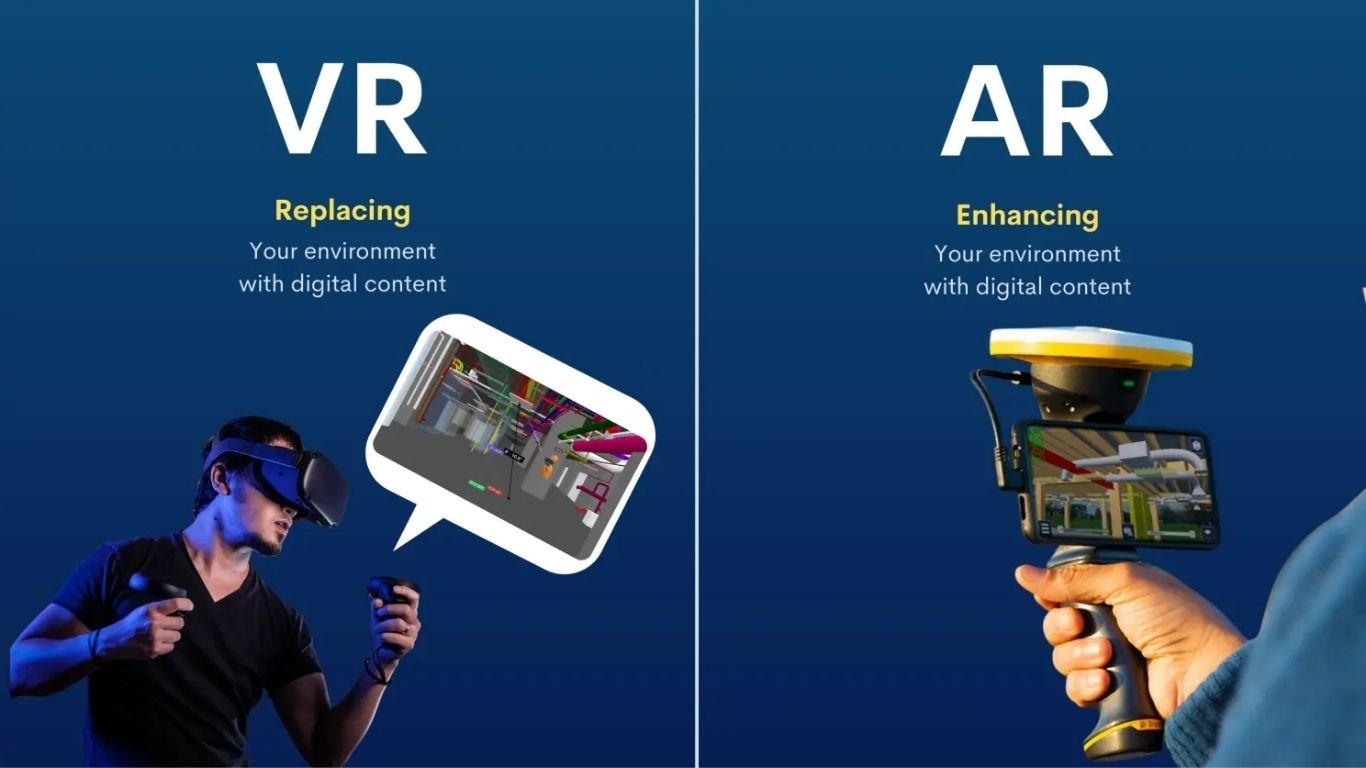
- Virtual Reality (VR): VR is about total immersion. When you put on a VR headset, your physical surroundings are completely blocked out and replaced by a 100% computer-generated environment. You are visually and auditorily transported to another place.
- Augmented Reality (AR): AR is about enhancement. AR technology overlays digital information—like text, 3D models, or navigation arrows—onto your view of the actual, physical world. You are still fully present in your living room or walking down the street, but your reality is “augmented” by digital screens or objects.
The State of Virtual Reality in 2026: The Niche Juggernaut
A few years ago, tech giants bet billions of dollars that VR would replace the smartphone as the primary way we socialize and work. In 2026, we know that vision did not materialize for the mass market. People simply do not want to spend eight hours a day entirely cut off from their physical environment with a screen strapped to their face.
However, calling VR a failure would be a massive mistake. Instead of becoming a general-purpose computing platform, VR has become a highly lucrative, fiercely dedicated niche juggernaut, absolutely dominating specific industries.
1. The Ultimate Gaming Console
VR has found its true home in the gaming industry. While traditional, screen-based mobile giants like PUBG continue to dominate global player counts for quick, on-the-go entertainment, VR developers have successfully translated that high-stakes, tactical shooter energy into fully immersive, physical experiences. For sim-racing, flight simulators, and interactive horror games, flat screens can no longer compete with the adrenaline-pumping immersion of modern VR.
2. Specialized Training and Education
Beyond entertainment, VR is winning heavily in the enterprise sector. Medical students now perform hundreds of simulated, high-stakes surgeries in VR before ever touching a human patient. Heavy machinery operators and aerospace engineers use exact digital twins of their equipment to train safely. In these environments, the isolation of VR is actually a massive benefit, eliminating physical distractions and building deep muscle memory.
The State of Augmented Reality in 2026: The Everyday Utility
While VR requires you to stop what you are doing and dedicate your full attention to the headset, AR is designed to be frictionless. The goal of AR has always been to integrate seamlessly into your daily life, providing utility without demanding isolation.
1. The Smartphone as the AR Bridge
For years, the most successful AR platform has not been a pair of smart glasses, but the smartphone in your pocket. From real-time translation apps that overlay English text onto foreign street signs, to retail apps that let you see exactly how a new sofa will look in your living room before you buy it, mobile AR has subtly trained the consumer market to expect digital overlays in the real world.
2. The Arrival of Lightweight Smart Glasses
The biggest shift in 2026 is the maturation of lightweight AR smart glasses. Early iterations were bulky, expensive, and suffered from terrible battery life. Today, consumer AR glasses look almost indistinguishable from standard prescription eyewear or stylish sunglasses. They sync effortlessly with smartphones via Bluetooth, projecting turn-by-turn walking directions, incoming text messages, and contextual AI-driven information directly onto the wearer’s retina. They are not replacing the phone yet, but they are becoming an indispensable accessory, similar to the smartwatch.
The Curveball: The Rise of Mixed Reality (MR)
If you look at the flagship devices released by major tech companies recently, you will notice a strategic pivot away from pure VR or pure AR. The industry is aggressively pushing toward Mixed Reality (MR).
Mixed Reality devices, often referred to as “passthrough headsets,” utilize high-resolution exterior cameras to capture the real world and stream it to the screens inside the headset with near-zero latency. This allows the user to experience VR-level immersion when they want to play a game, and then instantly switch to an AR-like experience—pinning virtual monitors to their real physical walls or having a digital video call on their physical coffee table.
These premium headsets represent the ultimate convergence of the two technologies, offering the best of both worlds. However, their high price points currently keep them out of reach for the average consumer, positioning them more as high-end tools for developers and “prosumers.”
The Verdict: Who is Winning the Consumer Market?
If we measure “winning” by total hours of daily use and broad consumer adoption, Augmented Reality is the clear victor in 2026.
VR will always be the king of deep immersion and dedicated entertainment. It is a destination. But AR is a companion. Because AR enhances our physical lives without removing us from them, it faces significantly less friction for everyday use. As lightweight AR glasses become cheaper and their onboard AI becomes smarter, AR is poised to become the next ubiquitous computing platform, slowly pulling our eyes away from the screens in our hands and back up to the world around us.
